
Compartir este producto :
Comida de panadería
- Origen
- : United States
- Código HS
- : 230990
Información básica
- Physical State
- : Solid
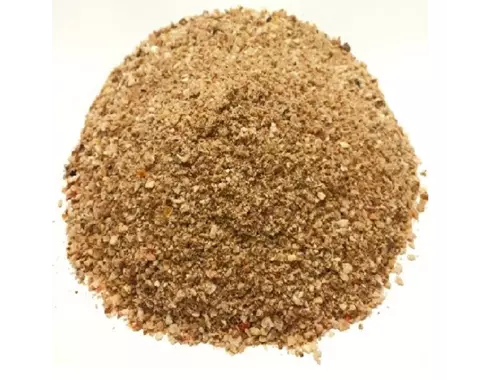
- Appearance / Color
- : Light brown powder/crumbles
- Odor
- : Baked goods
- Moisture Content (%)
- : <12%
- Total Plate Count (TPC)
- : <500,000 CFU/g
- Yeast & Mould
- : <50,000 CFU/g
- E. Coli
- : <100 CFU/g
- Salmonella
- : Negative/25g
- Shelf Life
- : 6 months
- Packaging Size
- : 50 kg
- Packaging Type
- : PP woven bag
- Storage Conditions
- : Cool, dry; pest-free
- Halal Certification
- : Available on request
- Kosher Certification
- : Available on request
- ISO / HACCP
- : Yes
- Food Grade / Regulatory Status
- : Feed grade
- Crude Protein (%, min)
- : 10-14%
- Crude Fat / Ether Extract (%, max)
- : 7-10%
- Crude Fiber (%, max)
- : 2.5%
- Ash Content — Feed (%, max)
- : 4.0% max
- Antioxidant Treatment
- : None or as specified
- Species of Origin Declaration
- : Mixed bakery by-products
- Aflatoxin B1
- : <5 ppb
- Heavy Metals — Feed (As, Pb, Hg, Cd)
- : Compliant
Categorías
Compartir este producto :
Breve descripción
La harina de panadería es un subproducto de la panadería seca. Es un ingrediente nutritivo para piensos que contiene una combinación de panes, patatas fritas, galletas, cereales y otros productos horneados que ya no están destinados al consumo humano. La harina de panadería es rica en grasas (entre un 7 y un 10%) y carbohidratos (entre un 55 y un 62% de almidón DM más azúcares) y también puede contener un alto contenido de sal. Los beneficios de usar harina de panadería incluyen el alto contenido energético, el alto contenido de nutrientes y el alto sabor. La harina de panadería se usa comúnmente para alimentar aves de corral y cerdos, y también se ha utilizado como alternativa al grano en los piensos para muchos tipos de ganado.
Proceso de fabricación
Al utilizar subproductos de panadería para la alimentación animal, deben procesarse adecuadamente para poder obtener un alimento seguro. Los problemas tales como los problemas de salud animal, el contenido de humedad y la disponibilidad de nutrientes deben considerarse cuidadosamente. En el proceso de fabricación, la harina de panadería pasa por un separador para desempaquetar la panadería y, a continuación, se tritura. Después, se seca al 90% DM para un mejor almacenamiento. También existen otros procesos, como el ensilado, la extrusión, la granulación o el ensilado de subproductos de panadería, que han sido probados para garantizar que los piensos resultantes se conserven y almacenen bien.