
مشاركة هذا المنتج :
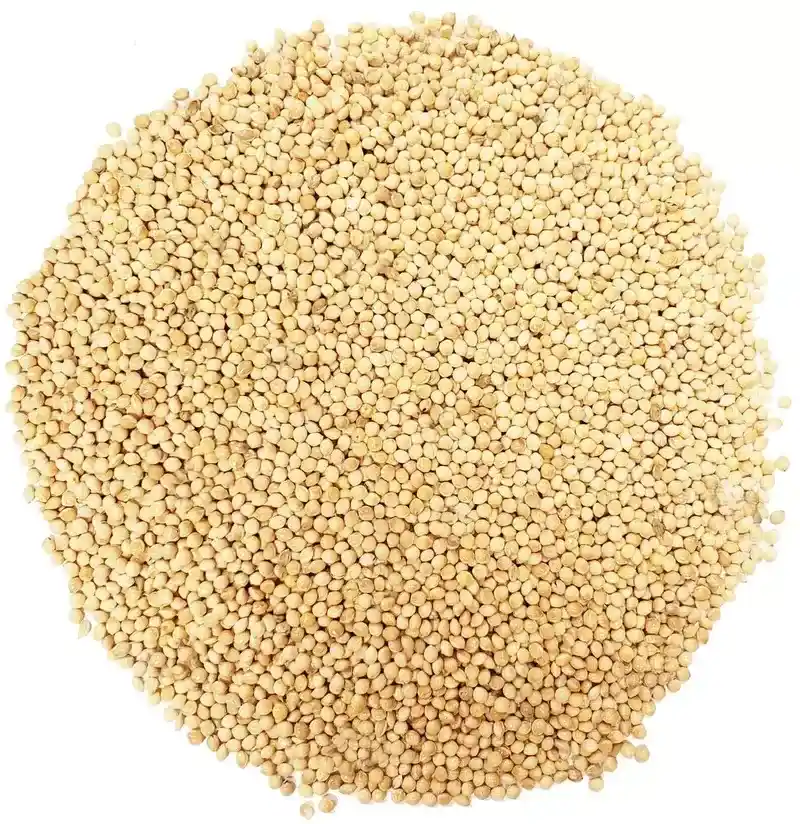
Millet
- المنشأ
- : Australia
- رقم CAS
- : 90082-36-3
- رمز HS
- : 100829
المعلومات الأساسية
- Concentration
- : Pure substance
- Appearance / Color
- : White to off-white solid
- Drug Precursor Status
- : Non-precursor
الفئات
مشاركة هذا المنتج :
Brief Overview
Millet is a small-seeded grass that has many variants. It’s used as cereal grain or crops for livestock feed and bird feed. Millet is known to have high nutritional value due to its high level of energy, calcium, iron, zinc, lipids, and high-quality proteins. Additionally, it’s also rich in dietary fiber and micronutrients.
Millet hulls have a low protein content (less than 3% DM) but a high fibre content (ADF greater than 45 percent DM), which includes lignin (more than 11 percent DM). They are far less nutritious than other hulls, such as soybean hulls.
Manufacturing Process
The common practice of harvesting pearl millet is by cutting the ear-heads of the Millet and the stalks it later. The stalks (straw) are cut after a week, allowing the stalks to dry and then stacked. By winnowing the Pearl Millet, the harvested ear heads are dried before the threshing process. The grain is separated from the ear heads by using a mechanical thresher or by drawing a stone roller over the ear-heads or trampling under the feet of cattle. The separated grain is then cleaned by winnowing and dried. By using the conventional grain dryers or natural-air, the grain are being dried. Grain at or below 14% moisture is considered dry. For long-term storage (more than 6 months), grain moisture content should be a maximum of 13.5%.