
مشاركة هذا المنتج :
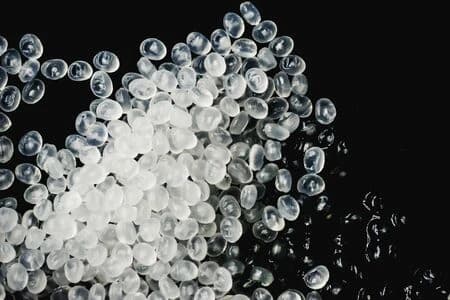
بوليمر PP Homopolymer J170H (حقن) - كوريا الجنوبية
- المنشأ
- : Korea (South)
- رقم CAS
- : 9003-07-0
- رمز HS
- : 390210
المعلومات الأساسية
- النموذج المادي
- : صلب
- التركيز
- : Pure substance
- المظهر\ اللون
- : White to off-white solid
- حالة السلائف الدوائية
- : Non-precursor
الفئات
مشاركة هذا المنتج :
نظرة عامة موجزة
يتميز البوليمر البلاستيكي الحراري المعروف باسم بوليمر البولي بروبلين المتجانس، والذي يتكون بالكامل من مونومر البروبيلين، ببنية متساوية رائعة تؤدي إلى محاذاة السلسلة الجزيئية وترتيبها بشكل موحد وتحسين التبلور. تمنح هذه الميزة المواد صلابة فائقة ومقاومة كيميائية وعزل كهربائي. يتمتع هذا البوليمر المتجانس بنقطة انصهار عالية ويستخدم في عدد من عمليات التصنيع، بما في ذلك القولبة بالحقن والبثق، لإنتاج الألواح والأنابيب ومواد التغليف. خصائصها الميكانيكية والحرارية الاستثنائية تجعلها خيارًا شائعًا في صناعات السلع الاستهلاكية والبناء والسيارات.
عملية التصنيع
أثناء إنتاج البوليمر المتجانس من مادة البولي بروبيلين، يتم تبلمر مونومرات البروبيلين. فيما يلي ملخص موجز للنهج:
البلمرة: باستخدام محفز Ziegler-Natta، والذي يتكون عادةً من مركب معدني انتقالي ومحفز مشترك من الألومنيوم العضوي، تتضمن العملية بلمرة البروبيلين. تتشكل سلاسل البولي بروبيلين المتجانسة عالية الوزن الجزيئي عندما يبدأ المحفز التفاعل.
شروط العملية: يمكن تصميم خصائص بوليمر البولي بروبلين المتجانس الناتج عن طريق ضبط متغيرات العملية مثل الضغط ودرجة الحرارة. تتأثر البنية الجزيئية للبوليمر وخصائصه بهذه التغييرات.
المواد المضافة: مضادات الأكسدة والمثبتات ومساعدات المعالجة هي بعض الأمثلة على الإضافات التي يمكن أن تحسن قوة البوليمر واستقراره.
تقنيات المعالجة: عادة ما يتم تصنيع البوليمر المتجانس من مادة البولي بروبيلين عن طريق الحقن أو طرق البثق. يتم تشكيل البوليمر باستخدام هذه التقنيات لإنشاء سلع تامة الصنع مثل الأنابيب والصفائح والتعبئة والتغليف.
يمكن لمجموعة متنوعة من الصناعات، بما في ذلك السلع الاستهلاكية والبناء والسيارات، الاستفادة من الخصائص المخصصة لبوليمر البولي بروبلين المتجانس الذي تنتجه الشركات المصنعة من خلال التحكم الدقيق في عملية البلمرة وتعديل الحالة والتكامل الإضافي.